
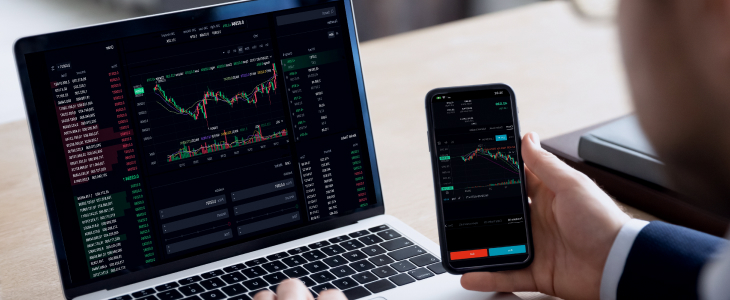
Forex trading has gained immense popularity over the years, and with it, the demand for efficient and reliable forex trading account Trading Brokers has surged. In this article, we will delve into the world of Forex trading accounts, discussing the various types available, their features, and crucial tips for selecting the best one to meet your trading objectives. Whether you’re a seasoned trader or a newcomer, understanding the ins and outs of trading accounts is vital for your success in the Forex market.
A Forex trading account is an online account that allows traders to buy and sell currencies in the foreign exchange market. Unlike traditional investment accounts, Forex trading accounts are specifically designed for trading foreign currencies. They provide traders with access to the Forex market, enabling them to execute trades, manage their investments, and monitor their account balances in real-time.
When considering opening a Forex trading account, it is essential to understand the different types available. Each type of account is designed to meet varying trading styles, experiences, and financial goals. Below are the most common types of Forex trading accounts:
A demo account is an essential tool for new traders, allowing them to practice trading without risking real money. It is funded with virtual currency, enabling users to familiarize themselves with the trading platform, test strategies, and gain confidence before transitioning to a live account. Demo accounts typically offer the same functionality as live accounts, making them invaluable for beginners.
A standard account is the most common type of Forex trading account, typically requiring a minimum deposit that varies by broker. This type of account grants traders access to leverage and allows them to trade standard lots (100,000 units of currency). With a standard account, traders can utilize various trading strategies and take advantage of market fluctuations effectively.
A mini account is designed for traders who prefer to trade smaller positions. With a lower minimum deposit requirement and the ability to trade mini lots (10,000 units of currency), mini accounts are ideal for those who are starting and want to limit their exposure to the market risk.
Micro accounts are suitable for novice traders, allowing them to trade with even smaller amounts of capital. These accounts usually have a very low minimum deposit requirement, with the option to trade micro lots (1,000 units of currency). Trading with a micro account is an excellent way for new traders to gain experience and develop their skills without significant financial risk.

An ECN (Electronic Communication Network) account is designed for experienced traders who prefer direct market access. These accounts connect traders directly with liquidity providers, ensuring tighter spreads and faster execution times. While ECN accounts offer many benefits, they typically require a larger minimum deposit and may involve a commission on trades.
When choosing a Forex trading account, aspiring traders should consider several critical features to ensure that the account aligns with their trading style and financial goals. Here are some key features to look for:
Different types of accounts come with varying minimum deposit requirements, influencing your choice of account. Assess your budget and trading plan to determine the amount you are comfortable depositing. Always ensure that the broker offers a minimum deposit that suits your financial situation.
Leverage allows traders to control larger positions with a smaller amount of capital. Different brokers offer varying leverage ratios, which can significantly impact trading performance. Understand the risks associated with high leverage and choose a broker that offers flexible options.
The spread is the difference between the bid and ask prices and is a crucial factor in trading costs. Some brokers may charge a spread, while others may have a commission-based structure. Evaluate the costs associated with trading in different account types to ensure you are getting a fair deal.
The trading platform is the software through which you will execute trades. Look for brokers that offer user-friendly platforms with advanced charting tools, analytics, and various order types. The right platform can enhance your trading experience and improve your chances of success.
Reliable customer support is crucial when trading Forex. Ensure that your chosen broker provides accessible support channels, including live chat, email, and phone support. Quick and efficient customer service can be a lifesaver in urgent situations.

Choosing the right Forex trading account is a vital step for every trader. Here are some actionable tips to guide you through the selection process:
Before diving into the world of Forex trading, clarify your trading goals. Are you looking to trade full-time, or is it just a part-time endeavor? Your trading aspirations will influence the type of account you should open.
Take the time to research and compare various Forex brokers. Look for reviews, regulatory credentials, and customer feedback. A reputable broker will have a strong standing in the industry and provide an excellent trading experience.
Utilize a demo account to test different brokers and account types. This practice allows you to evaluate the trading platform, execution speed, and overall experience before committing your money to a live account.
Forex trading is influenced by various economic and geopolitical factors. Stay informed about market trends, news events, and relevant data releases, as they can impact currency valuations and your trading decisions.
If you are new to Forex trading, consider starting with a mini or micro account. This approach allows you to gain valuable experience and gradually build your confidence before scaling up your trading activity.
Forex trading accounts play a pivotal role in achieving success in the foreign exchange market. By understanding the different types of accounts available and considering the associated features, you can select the right account that aligns with your trading goals. Always remember to conduct thorough research, test your strategies, and stay informed about the market. With the right knowledge and tools at your disposal, you can navigate the complexities of Forex trading and enhance your chances of success.
Explore your trading options, start with a demo account, and embark on your Forex trading journey today!